
1
Chapter 24
Of Popes, Peasants, Monarchs, andMerchants
The Golden Age of Dutch Art
Gardner’s Art Through the Ages,12e
2
The Golden Age of Dutch Art: Overview
•During the 17th century, the Dutch Republic supported a brilliantgolden age of art
•Having just won their independence from Spain, the Dutchenjoyed a unique status as a Protestant country with no absoluteruler
•Italian and Spanish Baroque Art focused on art that glorified theCatholic church and ruling monarchs
•In contrast, prosperous Dutch merchants bought loads of art thatfocused on themselves, mostly portraits, landscapes, genre scenes(everyday activities) and still lifes
3
The Golden Age of Dutch Art: The Big-shot Break-down…
•Frans Hals = group portraits
•Rembrandt = etchings
•Vermeer = domestic interiors
•Judith Leyster = portraits
•Rachel Ruysch = flowers

4
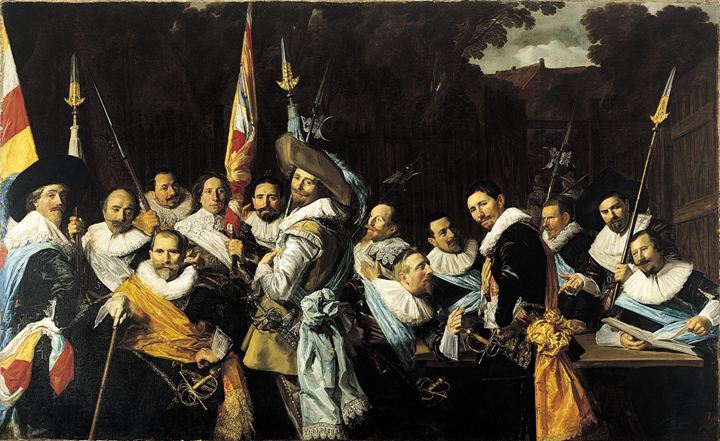
Figure 24-42 FRANS HALS, Archers of Saint Hadrian, ca. 1633. Oilon canvas, approx. 6’ 9” x 11’. Frans Halsmuseum, Haarlem.
5
Figure 24-42 FRANS HALS, Archersof Saint Hadrian, ca. 1633. Oil oncanvas, approx. 6’ 9” x 11’. FransHalsmuseum, Haarlem.
Frans Hals
•Frans Hals was the first greatmaster of Dutch painting
•Almost all of his survivingpaintings are portraits
•He chose his subjects fromeveryday life
•His goal was not to idealize his sitters, but to capture each sitter’smost characteristic expression
•Few artists have captured smiles and laughter as convincingly
•He particularly excelled at painting portraits of local civic groups
6
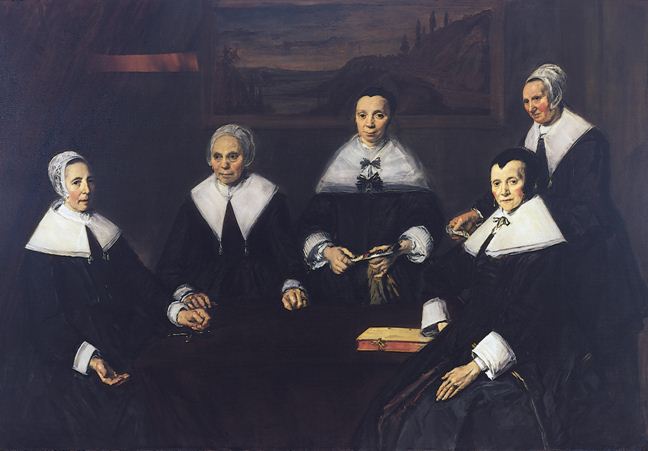
Figure 24-43 FRANS HALS, The Women Regents of the Old Men’sHome at Haarlem, 1664. Oil on canvas, 5’ 7” x 8’ 2”. Frans Halsmuseum,Haarlem.
7
Figure 24-43 FRANS HALS,The Women Regents of theOld Men’s Home at Haarlem,1664. Oil on canvas, 5’ 7” x 8’2”. Frans Halsmuseum,Haarlem.
Frans Hals
•The group portrait was a Dutchinnovation
•The officers of guilds, militiacompanies and charitableorganizations wanted paintings todecorate the walls of their meetinghouses
•A portrait could have upwards of 20people in it, each of whom wouldcontribute to the painter’s fee
•His compositions were innovative because he skillfully arranged hissubjects to portray them from various angles
8
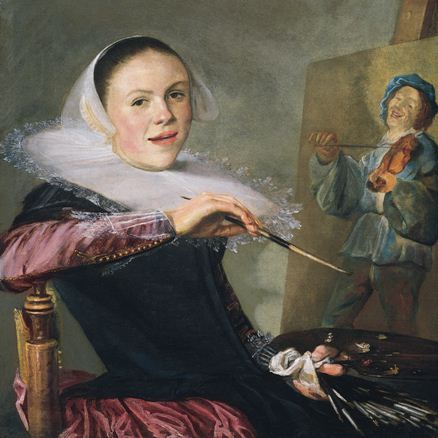
Figure 24-49 JUDITH LEYSTER, Self-Portrait, ca. 1630. Oil on canvas,2’ 5 3/8” x 2’ 1 5/8”. National Gallery of Art, Washington (gift of Mr. andMrs. Robert Woods Bliss).
9
Figure 24-49 JUDITHLEYSTER, Self-Portrait,ca. 1630. Oil on canvas, 2’5 3/8” x 2’ 1 5/8”.National Gallery of Art,Washington (gift of Mr.and Mrs. Robert WoodsBliss).
Judith Leyster
•In her early 20’s Leyster became the onlyfemale member of the Guild of St. Luke inHaarlem.
•This self-portrait was probably apresentation piece designed to display herskills as a painter of both portraits andgenre scenes
•She presents herself as a confident,working artist
10
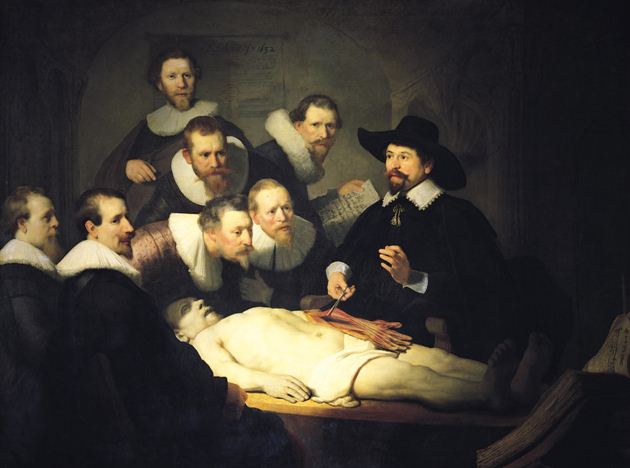
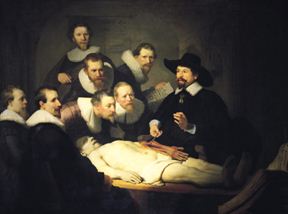
Figure 24-44 REMBRANDT VAN RIJN, Anatomy Lesson of Dr. Tulp,1632. Oil on canvas, 5’ 3 3/4” x 7’ 1 1/4”. Mauritshuis, The Hague.
11
Figure 24-44REMBRANDT VAN RIJN,Anatomy Lesson of Dr. Tulp,1632. Oil on canvas, 5’ 33/4” x 7’ 1 1/4”. Mauritshuis,The Hague.
Rembrandt
•Hals, Leyster and others fromHaarlem initially dominated Dutchportrait painting
•Rembrandt, a young artist fromAmsterdam (Europe’s financial andcommercial center of the 1600s) soontakes the spotlight
•During the 1630s Rembrandt paintsmore than 65 portraits
•Notice how Rembrandt takes the group portrait to a whole newlevel…
12
Figure 24-44REMBRANDT VAN RIJN,Anatomy Lesson of Dr. Tulp,1632. Oil on canvas, 5’ 33/4” x 7’ 1 1/4”. Mauritshuis,The Hague.
Rembrandt (think golden, natural light)
•The members of the surgeons guildare all to the left, intently watching Dr.Tulp, a celebrated surgeon
•He is dissecting a corpse spreaddiagonally across the picture plane
•He used an interplay of glances andgestures to connect Dr. Tulp and themembers of the group
•The acclaim from this particular painting help Rembrandt becomeAmsterdam’s most sought after painter…
13
14
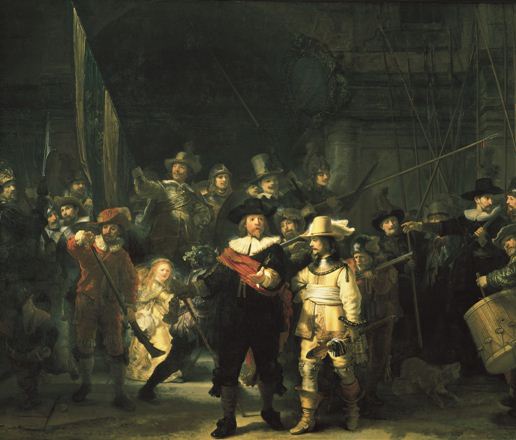
Figure 24-45 REMBRANDT VAN RIJN, The Company of CaptainFrans Banning Cocq (Night Watch), 1642. Oil on canvas (cropped fromoriginal size), 11’ 11” x 14’ 4”. Rijksmuseum, Amsterdam.
15
Figure 24-45REMBRANDT VANRIJN, The Companyof Captain FransBanning Cocq (NightWatch), 1642. Oil oncanvas (cropped fromoriginal size), 11’ 11” x14’ 4”. Rijksmuseum,Amsterdam.
Rembrandt (think golden, natural light)
•In 1642 he received a prestigiouscommission to portray the musketeers of theAmsterdam Civic Guard
•Known now as The Night Watch it shows thegroup assembling for Marie de’Medici’sstate visit to Amsterdam
•Captain Banning Cocq proudly gestures tohis lieutenant, indicating that it is time forthe company to assemble
•While the officers stride forward, the rest ofthe men load their muskets and prepare tomarch
16
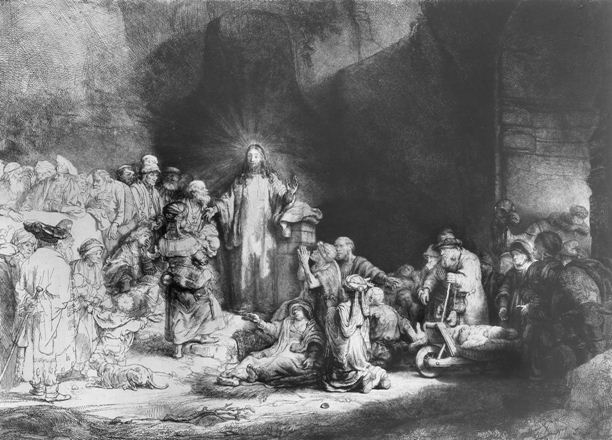
Figure 24-48 REMBRANDT VAN RIJN, Christ with the Sick aroundHim, Receiving the Children (Hundred Guilder Print), ca. 1649. Etching,approx. 11” x 1’ 3 1/4”. Pierpont Morgan Library, New York.
17
Figure 24-48 REMBRANDTVAN RIJN, Christ with the Sickaround Him, Receiving theChildren (Hundred Guilder Print),ca. 1649. Etching, approx. 11” x1’ 3 1/4”. Pierpont MorganLibrary, New York.
Rembrandt’s Etchings
•Rembrandt could both paint andetch, this set him apart from otherDutch artists from this time
•An etching is a kind of engraving inwhich the design is incised in a layerof wax or varnish on a copper plate
•The parts of the plate left exposed arethen etched, or slightly eaten away, bythe acid in which the plate isimmersed
•The medium’s softness enabled artists to create tonal gradationsthat were far more subtle than those created by 16th centurywoodcuts and engravings
18
Figure 24-48 REMBRANDTVAN RIJN, Christ with the Sickaround Him, Receiving theChildren (Hundred Guilder Print),ca. 1649. Etching, approx. 11” x1’ 3 1/4”. Pierpont MorganLibrary, New York.
Rembrandt’s Etchings
•Rembrandt was a supreme master ofthe etching technique
•This is one of his most dramaticetchings, showing Christ surroundedby his followers who have come tohere him teach the Gospel and healthe sick
•This print became known as theHundred Gilder Print because of thehigh price paid for the work ofRembrandt during his lifetime…
19
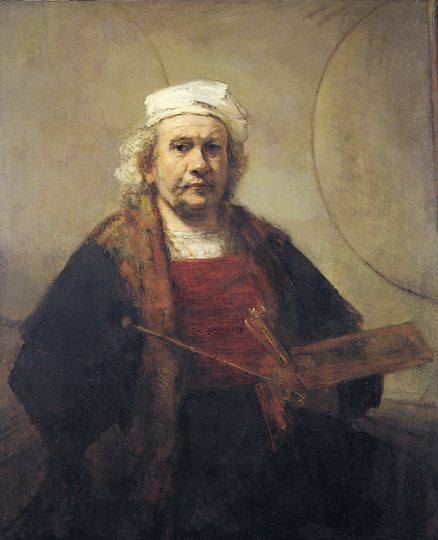
Figure 24-47REMBRANDT VAN RIJN,Self-Portrait, ca. 1659–1660.Oil on canvas, approx. 3’ 83/4” x 3’ 1”. The IveaghBequest, Kenwood House,London.
Rembrandt’s Late Work
•In the 1640s both hismother and his belovedwife, Saskia, suddenlydie, leaving emotionalvoids from which henever fully recovers
20
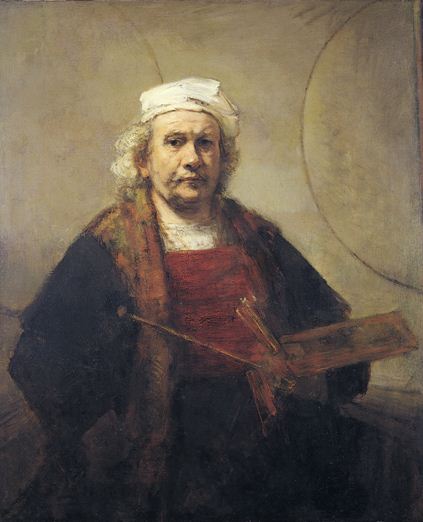
Figure 24-47 REMBRANDTVAN RIJN, Self-Portrait, ca.1659–1660. Oil on canvas, approx.3’ 8 3/4” x 3’ 1”. The IveaghBequest, Kenwood House,London.
Rembrandt’s Late Work
•Possibly as a response tothese losses, he began topaint a series ofintrospective self-portraits
•He portrays unflinchinghonesty as an aging humanbeing who looks at us withthe steady gaze of a lifetimefull of experiences
21
Figure 24-46 REMBRANDTVAN RIJN, Return of theProdigal Son, ca. 1665. Oil oncanvas, approx. 8’ 8” x 6’ 9”.Hermitage Museum, SaintPetersburg.
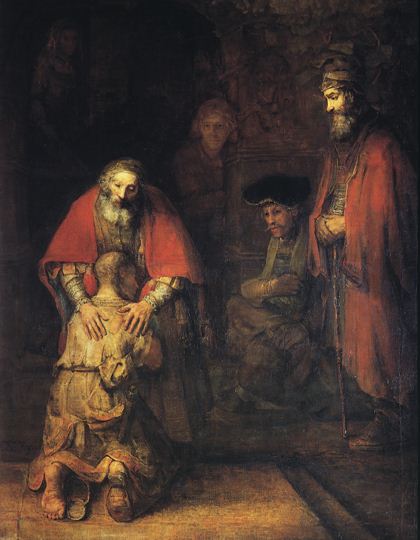
Rembrandt’s Late Work
•Painted less than a yearbefore he died, this workillustrates the final scene inone of Christ’s best knownparables…
22
Figure 24-46 REMBRANDTVAN RIJN, Return of theProdigal Son, ca. 1665. Oil oncanvas, approx. 8’ 8” x 6’ 9”.Hermitage Museum, SaintPetersburg.
Rembrandt’s Late Work
•“Son, thou art ever with me,and all that I have is thine. Itwas meet that we shouldmake merry, and be glad: forthis thy brother was dead,and is alive again; and waslost, and is found.”
•Luke 15:32
23
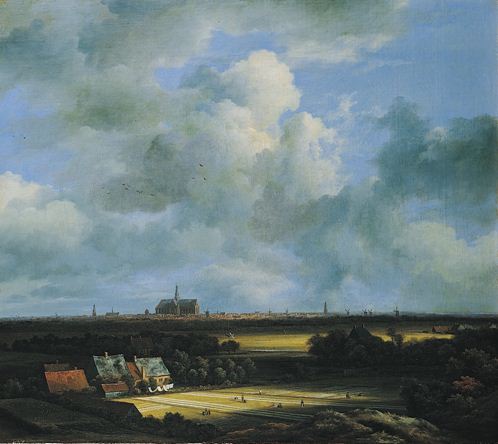
Figure 24-51 JACOB VAN RUISDAEL, View of Haarlem from theDunes at Overveen, ca. 1670. Oil on canvas, approx. 1’ 10” x 2’ 1”.Mauritshuis, The Hague.
24
Figure 24-51 JACOB VANRUISDAEL, View ofHaarlem from the Dunes atOverveen, ca. 1670. Oil oncanvas, approx. 1’ 10” x 2’1”. Mauritshuis, The Hague.
Landscape Painting: Jacob van Ruisdael
•The Dutch had won a long struggle toliberate their land from Spain
•As a result of their deep attachment totheir homeland, the Dutch had afondness for landscapes
•It took many artists to fill the demandfor landscapes, so there were manyartists, but van Ruisdael demonstratedthe most extraordinary skill
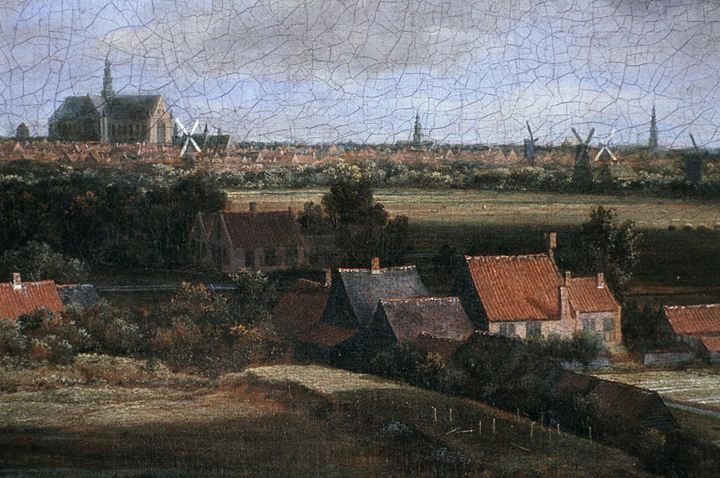
•Interestingly, he was actually buried inthat church he so meticulously paintedin the background
25
Figure 24-51 DetailCentral detail of the city
© 2005 Saskia Cultural Documentation, Ltd.
26
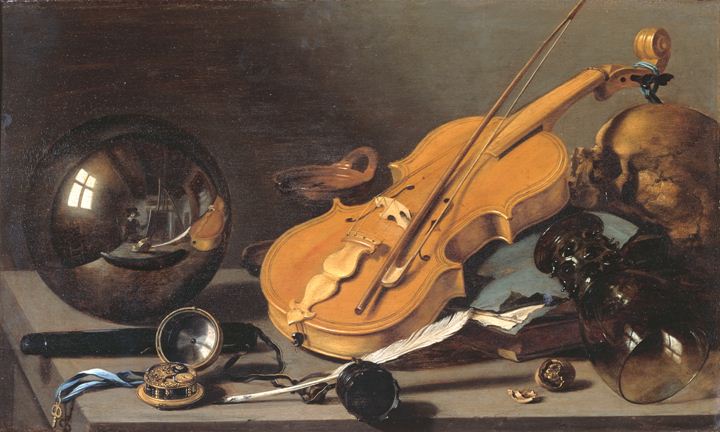
Figure 24-55 PIETER CLAESZ, Vanitas Still Life, 1630s. Oil on panel, 1’2” x 1’ 11 1/2”. Germanisches Nationalmuseum, Nuremberg.
27
Figure 24-55 PIETER CLAESZ,Vanitas Still Life, 1630s. Oil on panel, 1’2” x 1’ 11 1/2”. GermanischesNationalmuseum, Nuremberg.
Still Lifes… Dutch Vanitas Paintings
•Prosperous Dutch families accumulated prized possessions thatsymbolized their success…
•They often included dishes and glasses created by local craftsmenand exotic objects imported by the Dutch East Indies Company
•A closer inspection reveals a deeper level of meaning beyondmaterial wealth, nevertheless…
•The Dutch were devout Calvinists, they believed that pride inmaterial possessions should be tempered by humility and arealization that possessions and life itself are both fleeting…
28
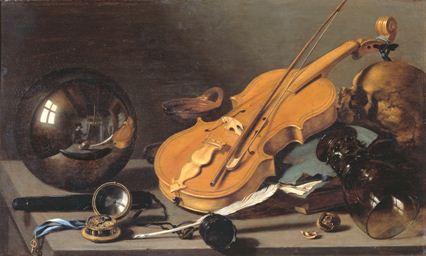
Figure 24-55PIETER CLAESZ,Vanitas Still Life,1630s. Oil on panel, 1’2” x 1’ 11 1/2”.GermanischesNationalmuseum,Nuremberg.
Still Lifes… Dutch Vanitas Paintings
•Dutch artists skillfully underscored the transience of life byincluding clocks, broken glasses, and extinguished lamps in their stilllifes
•These paintings are often called vanitas paintings because of theirreferences to life’s brevity and the inevitability of death
•Vanitas is Latin for emptiness…
29
Figure 24-55 PIETER CLAESZ, VanitasStill Life, 1630s. Oil on panel, 1’ 2” x 1’ 111/2”. Germanisches Nationalmuseum,Nuremberg.
Still Lifes… Dutch Vanitas Paintings
Paintings executed in the vanitas style are meant as a reminder of thetransience of life, the futility of pleasure, and the certainty of death,encouraging a sombre world view.
Common vanitas symbols include skulls, which are a reminder of thecertainty of death; rotten fruit, which symbolizes decay like ageing;bubbles, which symbolize the brevity of life and suddenness of death;smoke, watches, and hourglasses, which symbolize the brevity of life;and musical instruments, which symbolize brevity and the ephemeralnature of life.
30
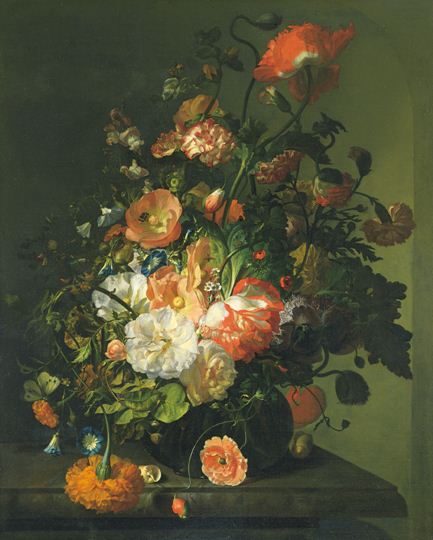
Figure 24-57 RACHELRUYSCH, Flower Still Life,after 1700. Oil on canvas, 2’6” x 2’. The Toledo Museumof Art, Toledo (purchasedwith funds from the LibbeyEndowment, gift of EdwardDrummond Libbey).
Flower Painting:
Rachel Ruysch
•Like landscapes, flowersexpressed the Dutch lovefor their homeland’snatural beauty
31
Figure 24-57 RACHELRUYSCH, Flower Still Life,after 1700. Oil on canvas, 2’6” x 2’. The Toledo Museumof Art, Toledo (purchasedwith funds from the LibbeyEndowment, gift of EdwardDrummond Libbey).
Flower Painting:
Rachel Ruysch
•At the time, flowerpainting was the mosthighly paid form of stilllife…
•She was the best!
32
Figure 24-57 RACHELRUYSCH, Flower Still Life, after1700. Oil on canvas, 2’ 6” x 2’. TheToledo Museum of Art, Toledo(purchased with funds from theLibbey Endowment, gift of EdwardDrummond Libbey).
Flower Painting:
Rachel Ruysch
•Her father was aprofessor of botany andanatomy
•She is renowned for hervivid colors and almostphotographicrepresentations…
33
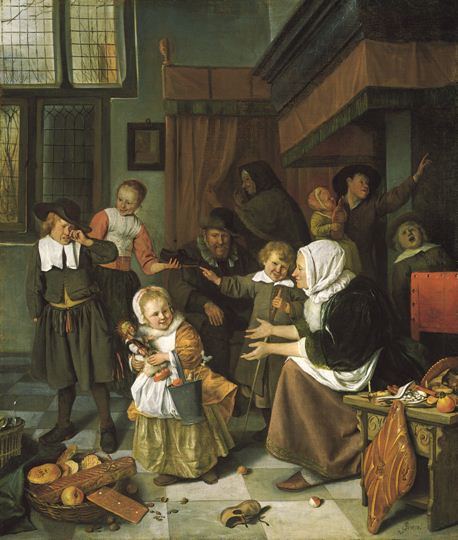
Figure 24-54 JANSTEEN, The Feast ofSaint Nicholas, ca. 1660–1665. Oil on canvas, 2’ 81/4” x 2’ 3 3/4”.Rijksmuseum,Amsterdam.
Genre Painting:
Jan Steen
•The Dutch loved genrepaintings that depictedaspects of everyday life
•This scene captures aroucous time after thevisit of St. Nicholas
34
Figure 24-54 JANSTEEN, The Feast ofSaint Nicholas, ca. 1660–1665. Oil on canvas, 2’ 81/4” x 2’ 3 3/4”.Rijksmuseum,Amsterdam.
Genre Painting:
Jan Steen
•I would cry too if Ionly got a birch rod…luckily, Grandmotherhas his real gift behindthe curtain…
•She is so not going toshare that candy!
35
Figure 24-54 JANSTEEN, The Feast ofSaint Nicholas, ca. 1660–1665. Oil on canvas, 2’ 81/4” x 2’ 3 3/4”.Rijksmuseum,Amsterdam.
Genre Painting:
Jan Steen
•Chaotic family sceneswere his specialty
36
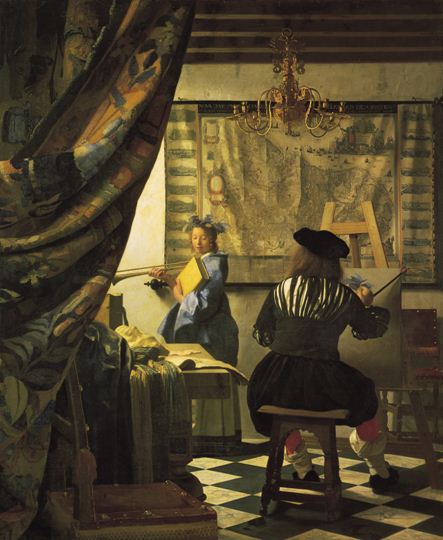
Figure 24-53 JANVERMEER, Allegory of theArt of Painting, 1670–1675.Oil on canvas, 4’ 4” x 3’ 8”.Kunsthistorisches Museum,Vienna.
Jan Vermeer
•While Steen’s paintings revel in theuproarious home life of many Dutchfamilies, Vermeer shows a more chilldomesticity
•Vermeer is now regarded as one of thegreatest Dutch masters, but we knowvery little about his life
•He probably spent most of his life in thecity of Delft, where he worked as an artdealer and ran a tavern to support hiswife and 11 children…
37
Figure 24-53 JANVERMEER, Allegory of theArt of Painting, 1670–1675.Oil on canvas, 4’ 4” x 3’ 8”.Kunsthistorisches Museum,Vienna.
Jan Vermeer
•Although Vermeer onlypainted about 35 works,he perfected a uniquestyle…
•His best known paintingsare set in a room filledwith light enteringthrough a window on theleft…
38
Figure 24-53 JANVERMEER, Allegory of theArt of Painting, 1670–1675.Oil on canvas, 4’ 4” x 3’ 8”.Kunsthistorisches Museum,Vienna.
Jan Vermeer
•One or two figuresquietly read, write, play amusical instrument orperform a domestic task
•The figures are usuallywomen
39
Figure 24-52 JANVERMEER, The Letter, 1666.Oil on canvas, 1’ 5 1/4” x 1’ 31/4”. Rijksmuseum,Amsterdam.
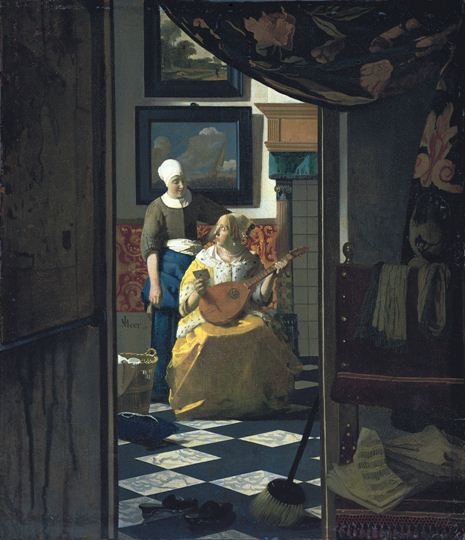
Jan Vermeer
•Many of his worksemploy a distinctiveharmony of blue andyellow
•Creates a mood ofcalm serenity
•Art historians believehe used a cameraobscura